

Language and literacy practices in UK families
Language knowledge and use are key predictors of school readiness, literacy development and academic attainment (Duncan et al., 2007). One of the major contributors to early language development relates to the characteristics of the Home and Language Learning...

Outputs 2018
Westermann, G. & Twomey, K. E. (2018). Computational models of word learning. In Westermann, G. and Mani, N. (Eds.), Early Word Learning. Routledge. pp. 138–154.Samanta, S. and Chang, F. (2018). Modelling Human Understanding of Thematic Roles with Motion...
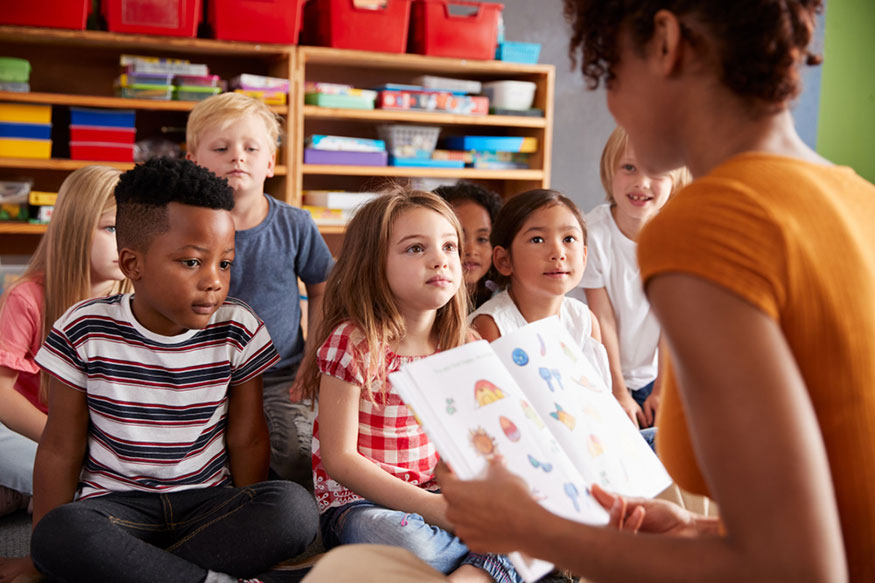
Understanding the factors influencing the comprehension and production of complex sentences
Variations in word order are often used for communicative purposes such as to relate events to each other in terms of their timing or causality (e.g. After you've had your dinner, finish your drawing, or You need a coat on because it's raining). In complex adverbial...
Outputs 2017
Bannard, C., Rosner, M. & Matthews, D. (2017). What’s worth talking about? Information theory reveals how children balance informativeness and ease of production. Psychological Science, 28(7), 954-966. Jackson, I. R., Parise, E., Reid, V., & Theakston, A....
Outputs 2016
Klinger, J., Mayor, J. & Bannard, C. (2016). Children's Faithfulness in Imitating Language Use Varies Cross‐Culturally, Contingent on Prior Experience. Child Development, 87(3), 820-833.Delle Luche, C., Kwok, R., Durrant, S., Chow, J., Horvath, K., Cattani, A.,...
Outputs 2015
Bidgood, A., Cameron-Faulkner, T., Durrant, S., Peter, M., Rowland, C. (2015). Multimodal input and children's gesture and vocabulary growth. Workshop on Extensive and Intensive Recordings of Children's Language Environment (WEIRCLE), Paris, France. Junge, B.,...
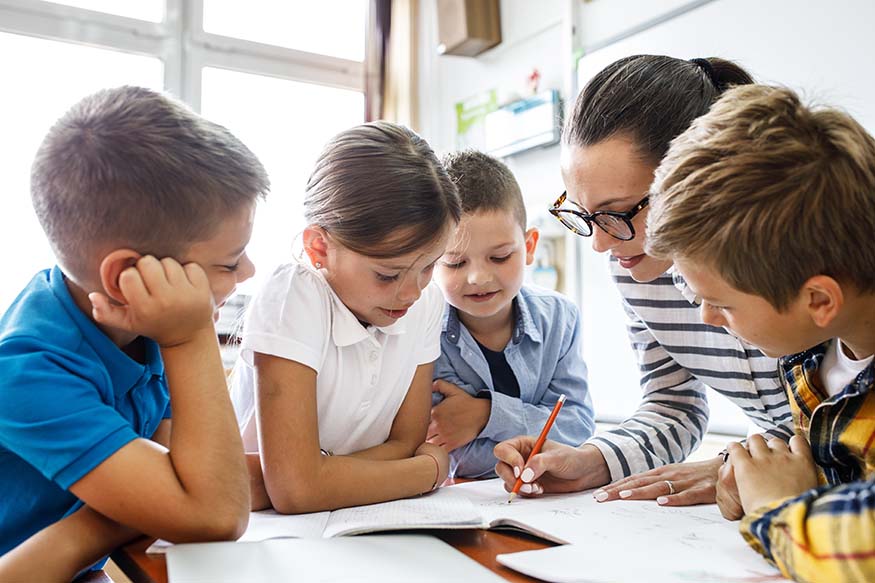
Language 0-7: The transition to literacy
Pre-school oral language abilities are a key predictor of children’s literacy development. In this work package, we followed the Language 0-5 cohort and collected a variety of transition-to-literacy behavioural measures including expressive and productive...

Building individualised models of language development
In this work package, we constructed a new computational model that explains how children discover new words and become faster at recognising these words across development. When listening to a conversation in an unfamiliar language, we find it difficult to pinpoint...
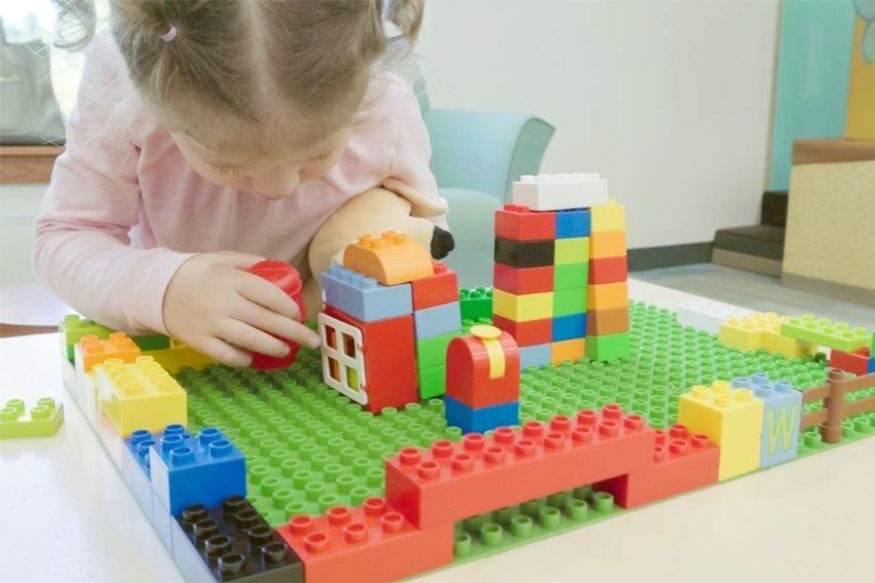
Curiosity-based learning and later language outcomes
As babies and toddlers learn language, they also learn to crawl, walk, explore and play. As children’s bodies develop, they actively engage with their world and independently choose what to learn from. The vast majority of what children learn is via this...
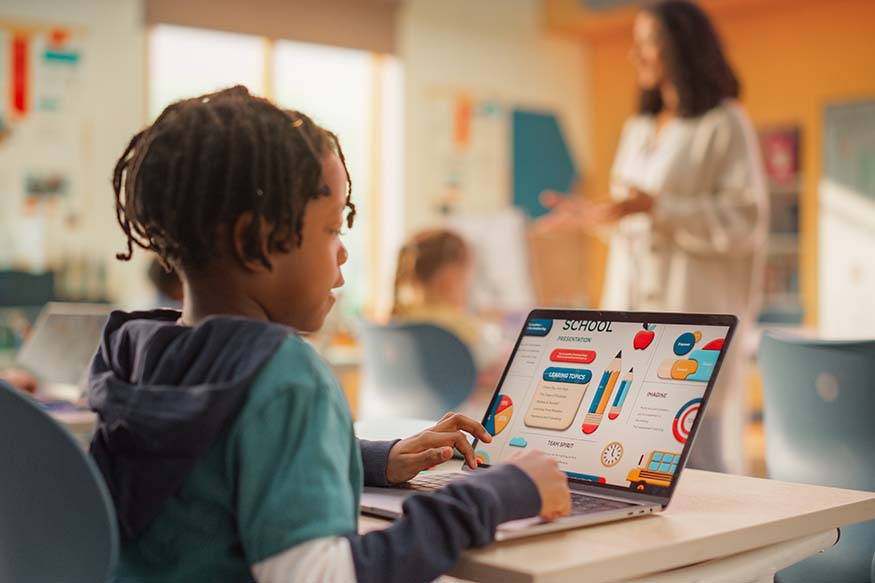
Putting lexical cues into discourse context
In this work package, we used corpus analyses and eye-tracking to understand how children learn to favour contextual information over lexical information in their interpretation of simple and complex sentences, a development critical to children’s ability to...
Contact Us
+44 (0) 161 306 6000


Recent Comments