

Now you see me, now you don’t! Can children learn language during online interactions?
Posted by Dr Leone Buckle Our conversational interactions with children are hugely beneficial to their development. Children often repeat the words and sentence structures that they hear adults use with them, and this helps them to learn and produce their own...

Why computational linguistics can lasso new insights into how humans understand pronouns
Posted by Liam BlythingThe aim of my 8 week visit to Austin was to collaborate with an expert on computational linguistics, Kyle Mahowald (pictured holding his dog ‘Fogo’). In this blog post, I'll discuss why computational modelling is useful, what large language...

Our pronoun project is hotter than a Texas summer
Posted by Liam BlythingWith Austin’s reputation as a world class technology hub, I recall feeling a bit of imposter syndrome upon arrival for my 8 week visit to The Computational Linguistics Lab at The University of Austin at Texas! Would shots be fired at this cowboy...
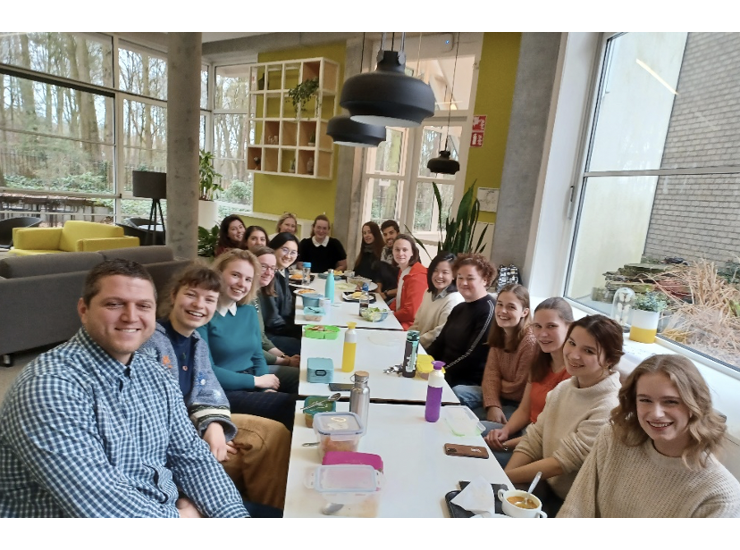
Connecting Infant Curiosity and Language Development at the MPI for Psycholinguistics
I could not have had a better start into the new year! Thanks to the LuCiD travel grant and Prof. Caroline Rowland, I had the pleasure to visit the Max-Planck-Institute (MPI) of Psycholinguistics (Nijmegen, the Netherlands) for four weeks this January. Not only was I...
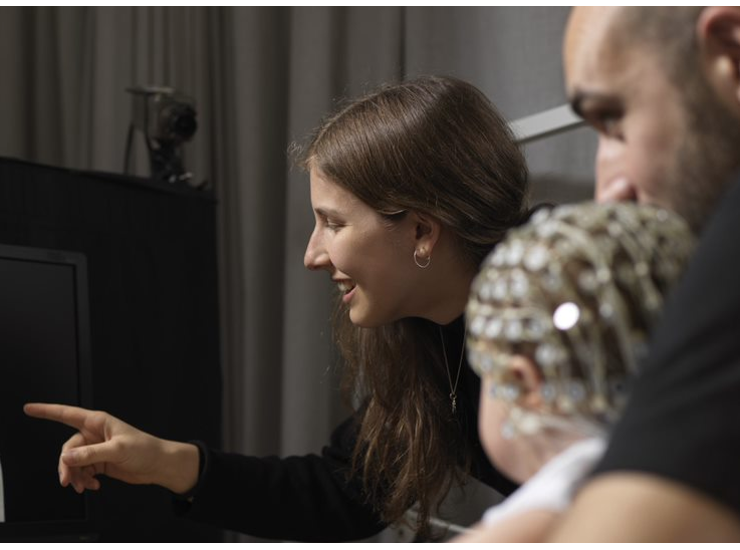
Baby’s got rhythm: How the developing brain prepares for language
Posted by Áine Ní ChoisdealbhaA baby's first word is an exciting milestone in their development. Within a few months, the number of words they can say will have started to grow rapidly, and eventually they will start combining words into phrases and short sentences....

What is children’s home language learning environment?
Posted by Chen Zhao Human beings have the most unique and complicated language system. We use language to understand others and to express needs, thoughts and feelings. Language plays a crucial role in our whole life. How and what helps children acquire a language has...

How do children comprehend and produce complex sentences?
Posted by Dr Shijie Zhang In everyday language, we often use one sentence to describe several events. For example, when we describe daily routine, we may say something like “I usually have a coffee before I start working”, or when we want to make an excuse, we may say...

The impact of perceived emotions on toddlers’ word learning
Posted by Shirly Ma When we interact with babies, we always talk to them full of emotional expressions and might notice that they might pay more attention to us when we are happy, sad, or making silly faces. Babies and toddlers are surrounded by this emotional...
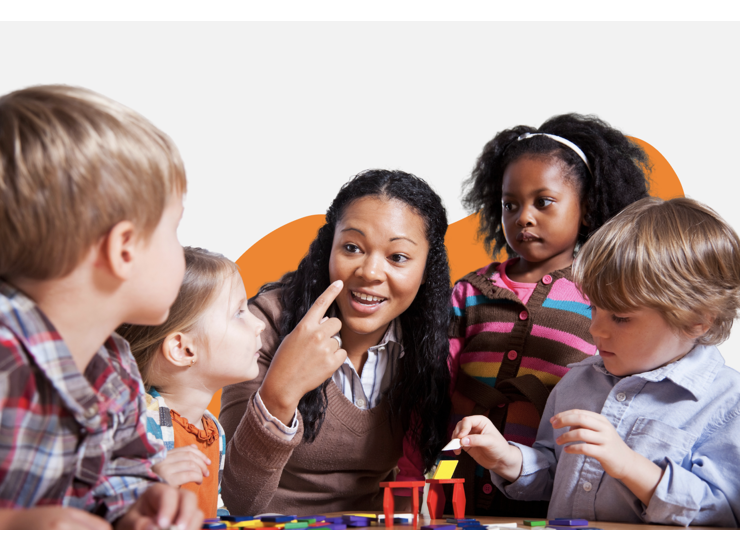
How Preschool Teachers Speak to Children with Different Language Backgrounds
Posted by Dr Jacky Chan Have you ever wondered how teachers communicate with children who start school or nursery unable to understand or speak English? In the UK, nearly one-fifth of young children are learning English as an additional language (EAL). Preschool is...
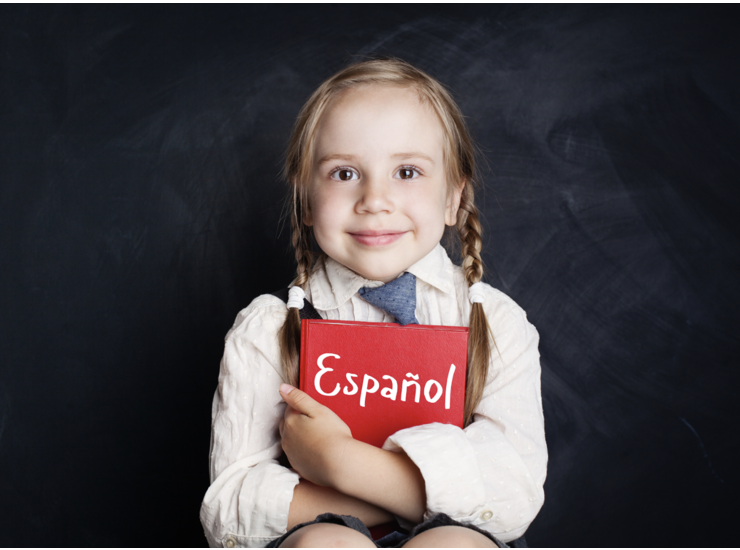
Why verb endings are harder to learn in English than in Spanish
Posted by Daniel FreudenthalWhile most children learn their native language seemingly effortlessly, some 7% of children are severely delayed in their linguistic development, a condition known as Developmental Language Disorder (DLD). The causes of DLD are poorly...
Contact Us
+44 (0) 161 306 6000


Recent Comments